

5 Ways To Find Your Photography Style
In our world, there is so much sensory input and much of that is due to the explosion of social media. The trick is finding a balance between internal and external influences. If you focus too much on what others are doing and what others are creating, you will start to lose yourself. That’s not what anybody wants. You see the world differently than everyone else on the planet and it is up to you to show us your point-of-view. So what now? Find your style. How? Keep scrolling.

1. Experiment
I don’t know about you, but this is more difficult for me than I’d like it to be. Sometimes I struggle to let my mind run free and that can be detrimental to the creative process. It’s also completely normal… right? You can experiment in a multitude of ways. Experiment with different genre’s of photography and inventive ways of using your equipment.
You need to dip your toe in many ponds, each representing a type of photography. It is necessary in order to see what kind of photography brings you the most joy. Dabble in portraits, landscapes, food, real estate, lifestyle, astro, still life, etc. Go nuts! From here, you will be able to narrow down your specialties.
You can also experiment by being a trailblazer. Try different photographic methods that you haven’t seen before. Are you going to fail? Sure. But not every time! We owe thanks to the person who first placed a crystal in front of their lens. The person who created the first double exposure. The person who first tried free-lensing. Do you need the fanciest equipment? Heck no! Work with what you’ve got. I first used a pinhole camera made from a tin can and electrical tape. You can make a camera out of a freaking potato. If you try something and it sucks… nobody has to know. Just try it. Your ideas are cool and they are worthy.
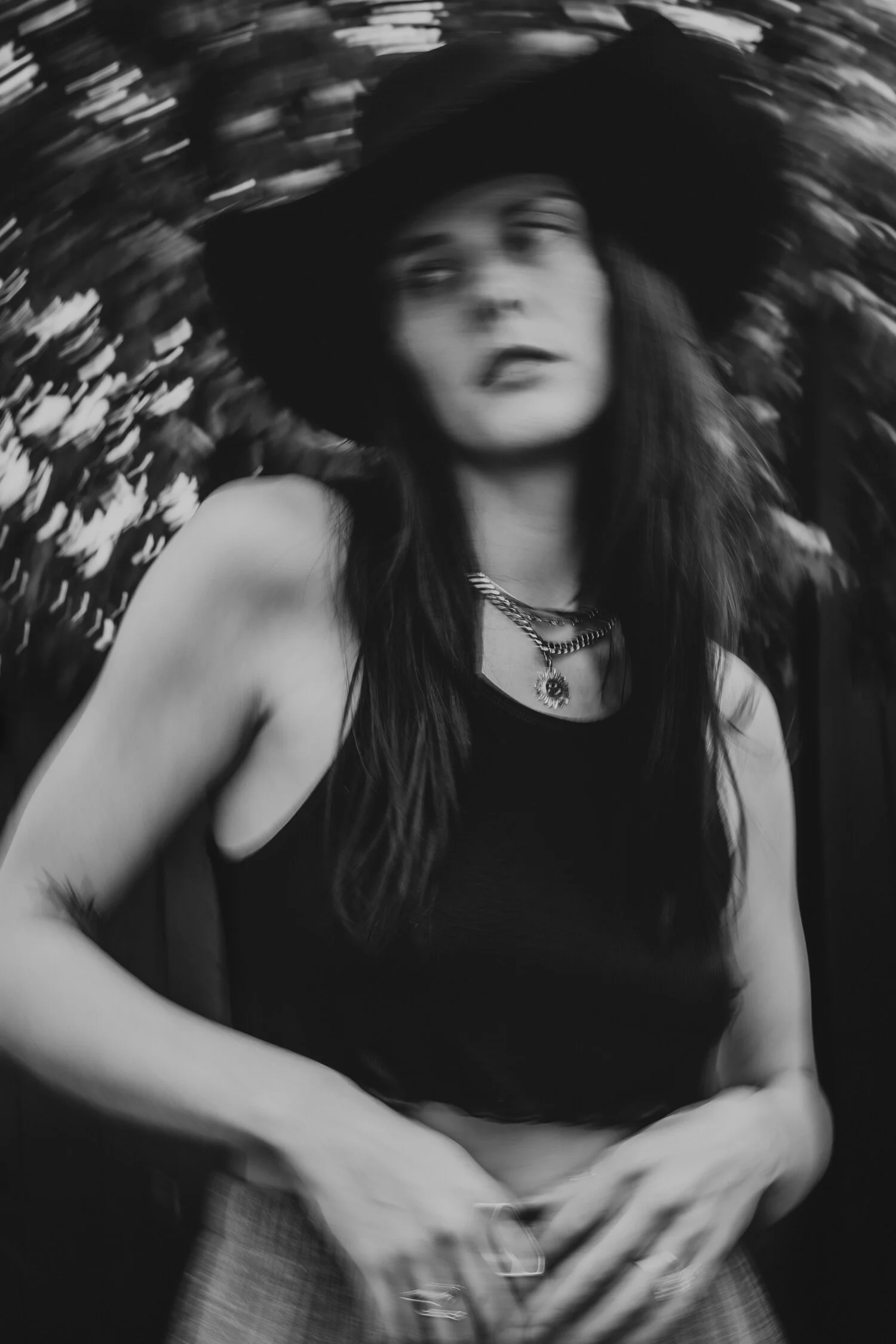
Slow shutter speed and camera movement
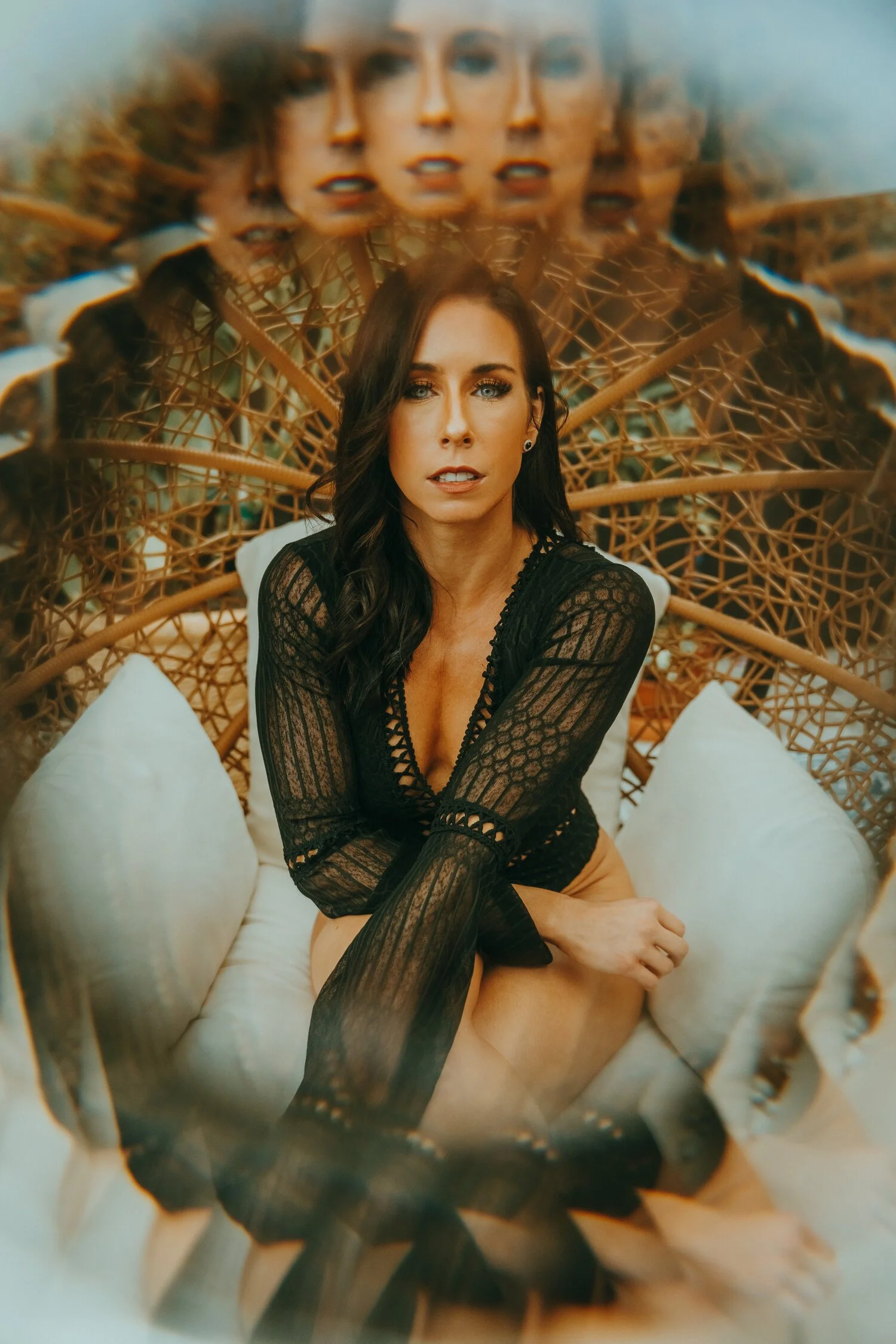
Fractal filters in front of my 50mm lens
2. Collect inspiring photographs and art
Creating a collection of inspiring images will help you get a sense of your preferences and what you are drawn to. You will learn what aspects of a photograph you find the most beautiful. With access to great apps like Pinterest, Tumblr, and Instagram, saving reference images is easier than ever! However, be careful not to spend too much time on this step. If you do, it is likely you will be too influenced and may begin to conform.
Make the art that fulfills you, not what you think other people want to see. If you spend your precious time developing a style that will blend with the crowd, you will rob yourself and the world. In an already saturated industry, setting yourself apart from other photographers is crucial. Allow your style to do that for you.
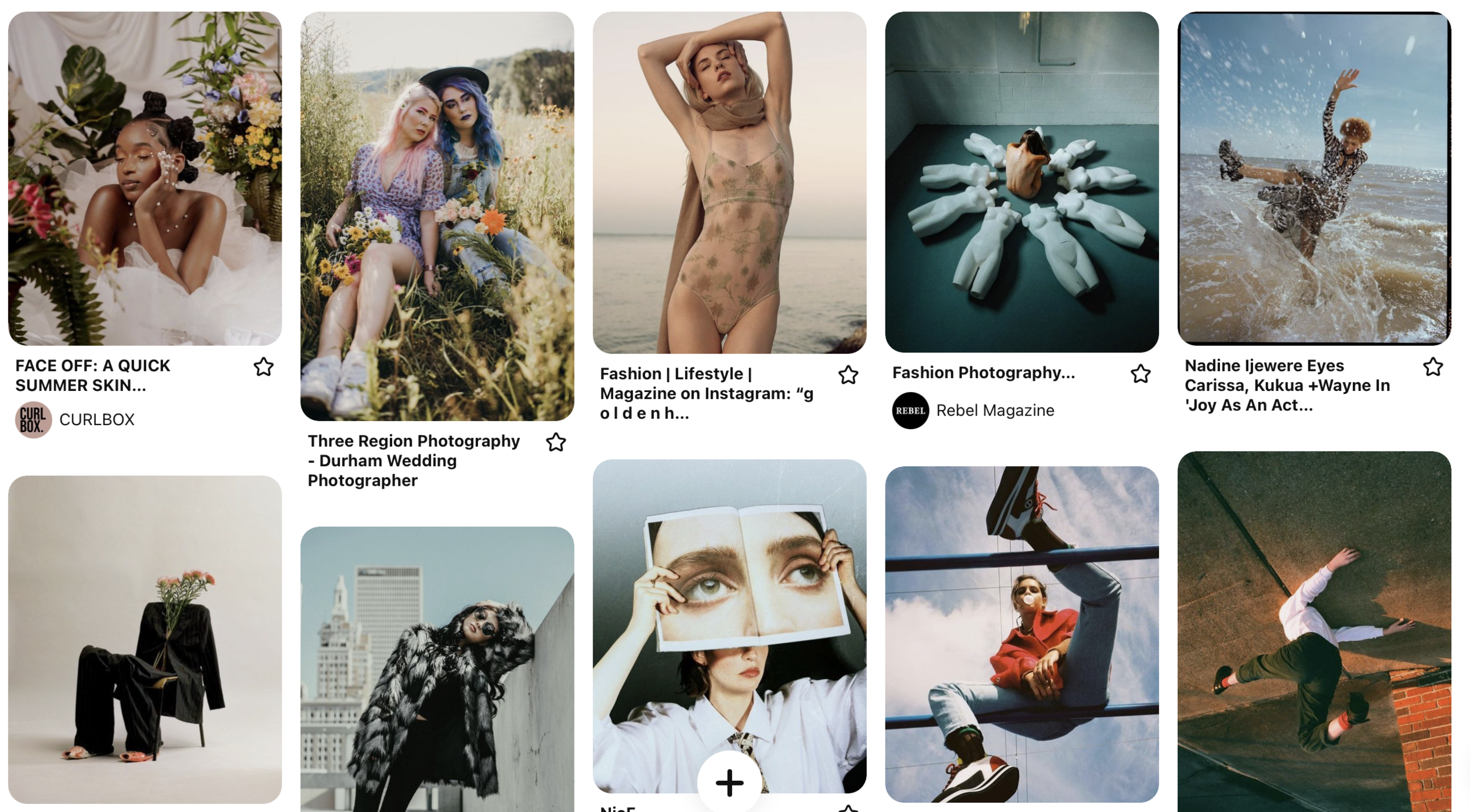
Taking a brief look at my own Pinterest board, I am drawn to editorial-style portraits and natural, faded, muted colors.
3. Share your work and request feedback
As scary as it may be to share your art with the world, it is important to receive feedback. The purpose is not to hear what other people prefer to see, but rather finding consistencies in your work. What is the eye drawn to first? Which images are the strongest? Sometimes we are too close to our photography so it is helpful to view it from another perspective. Your audience is most likely going to see something that you didn’t realize was there. Now, not all of this feedback is guaranteed to be constructive. If some jackass says “you suck”… you don’t. All they’re really doing is boosting your post for the algorithm *shrug emoji* They don’t have a filter, but you do and you need to strengthen it so you can focus on the good and not the stupid. This process will be eye-opening and push your photography to the next level.
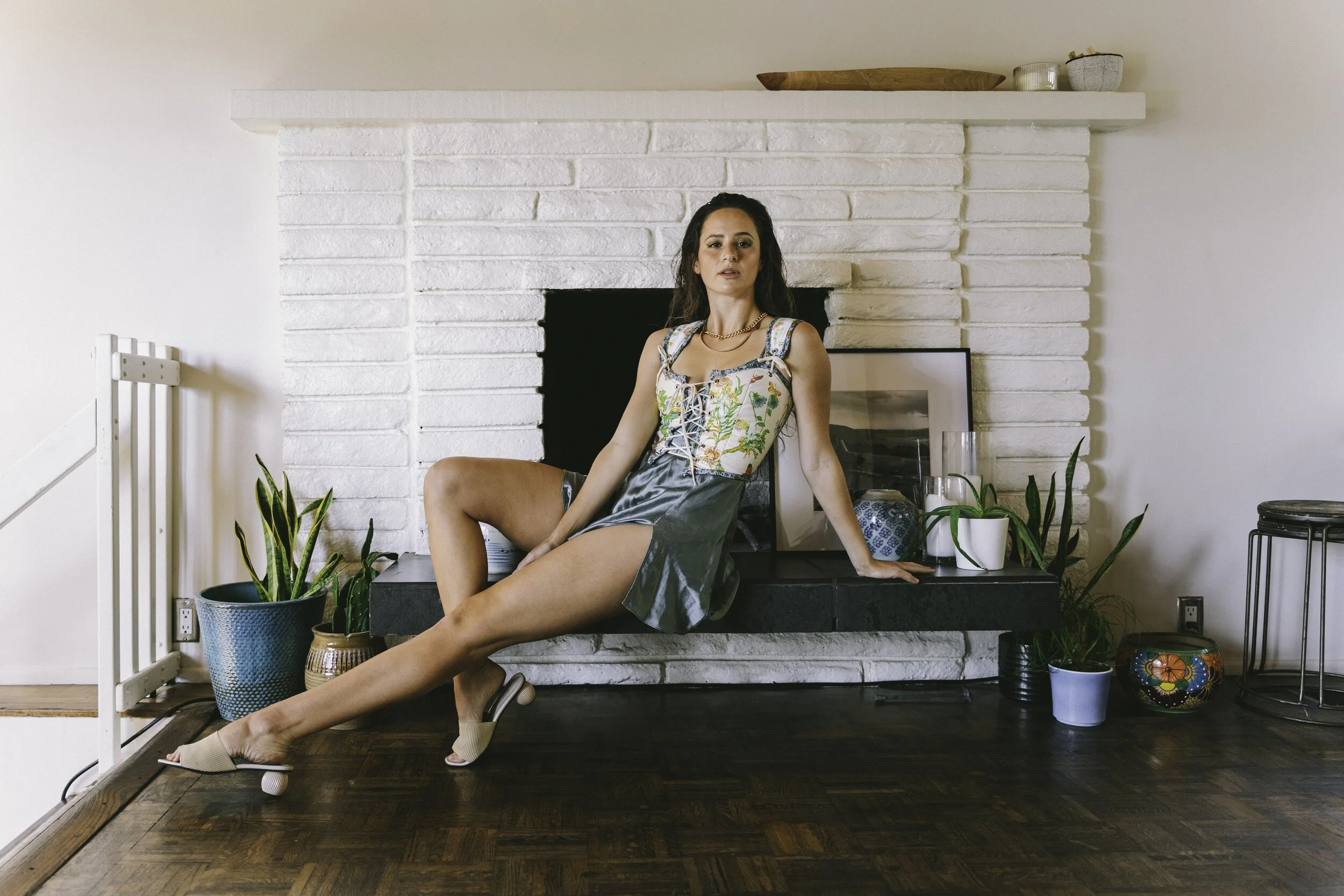
4. Editing
This may be frowned upon by some photographers, but this is my blog post so I’m just going to say it — invest in some Lightroom presets. By using presets, I learned a lot about Lightroom and discovered more of my likes and dislikes. I didn't always take a photograph knowing exactly what I wanted the final product to look like. It took some experimentation to get there. By applying different presets to an image, I narrowed down my style. I discovered my love for grain, faded colors, cooler tones, creamy skin, etc. Presets are a great jumping off point that will soon evolve into your own.
The two images below show the progression of my own editing style. I edited the first image taking other people’s likes and dislikes into consideration. The second edit better represents me and my style. Needless to say, I love the new edit 1000x more.
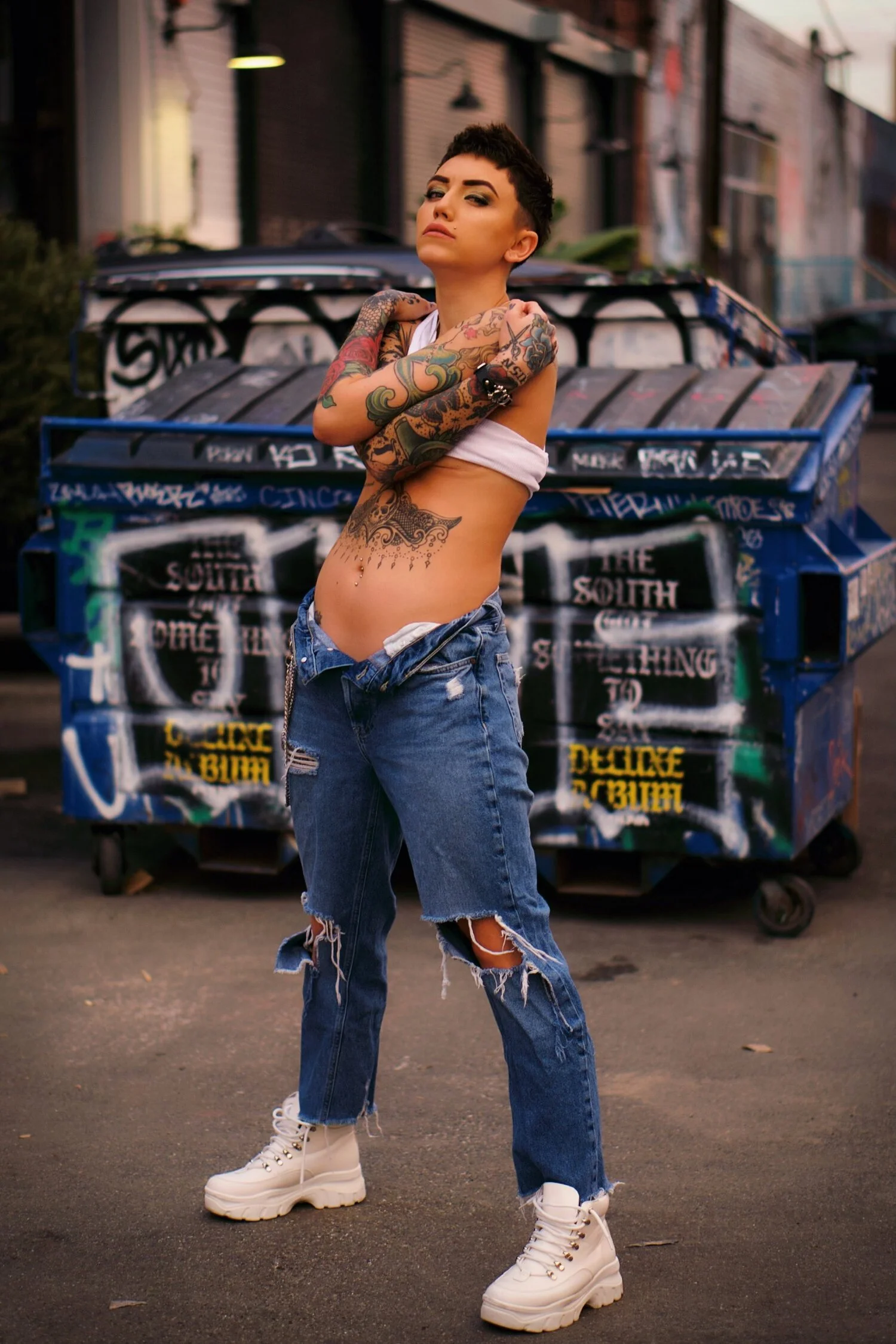
Old edit
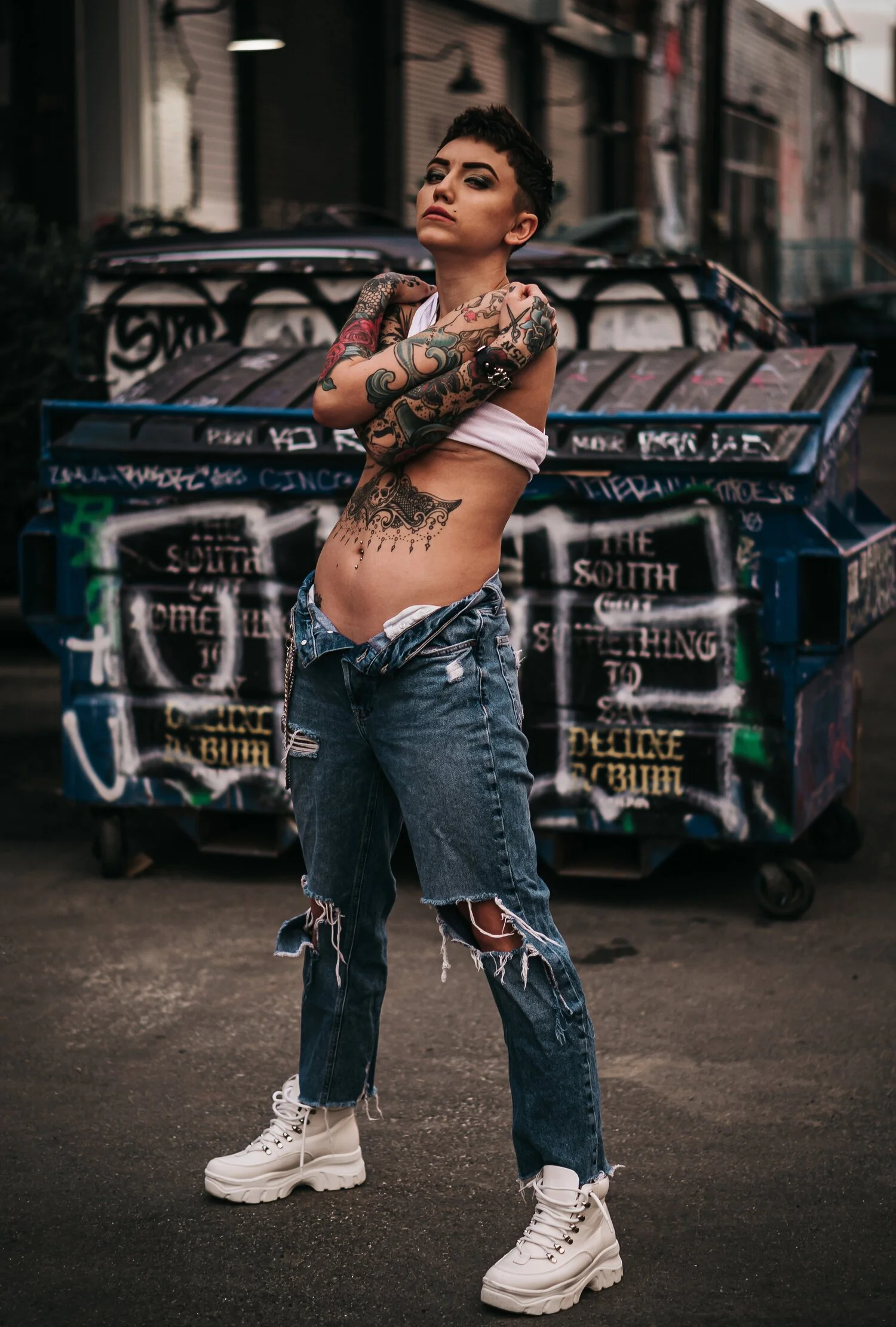
New edit
5. Shoot, shoot, shoot
The more you shoot, the more photographs you have to compare. The more photographs you have to compare, the more likely it is that consistencies will jump out at you. By shooting often, you will improve and discover which subjects are most interesting to you. I want you to ask yourself what you could see yourself photographing for the rest of your days. Will you still enjoy it tomorrow, next week, and 50 years from now?
I want to refer you to a video of Allan McKay interviewing the digital artist, Beeple. Beeple, or Mike Winkelmann, has posted an art piece every day since May of 2007 and calls them “Everydays.” He broke the record for highest art sale at a whopping $69 million. 69 MILLION DOLLARS. Artists aren’t in it for the money, but that number sure isn’t anything to sneeze at. Beeple is a huge believer in deadlines and his is midnight, every night, to post his daily art piece. He says, “People do not have a lack of ideas, they have a lack of deadlines.” Deadlines will “force something out that probably sucks because most of your ideas are.” LOL I love this guy. However, you have to get those shitty ideas out of you to get to the good ones. This leads back to my original point… shoot, shoot, shoot. Weed through your ideas to get to best ones. Learn from your missteps and improve from there.
Watch the full interview here.
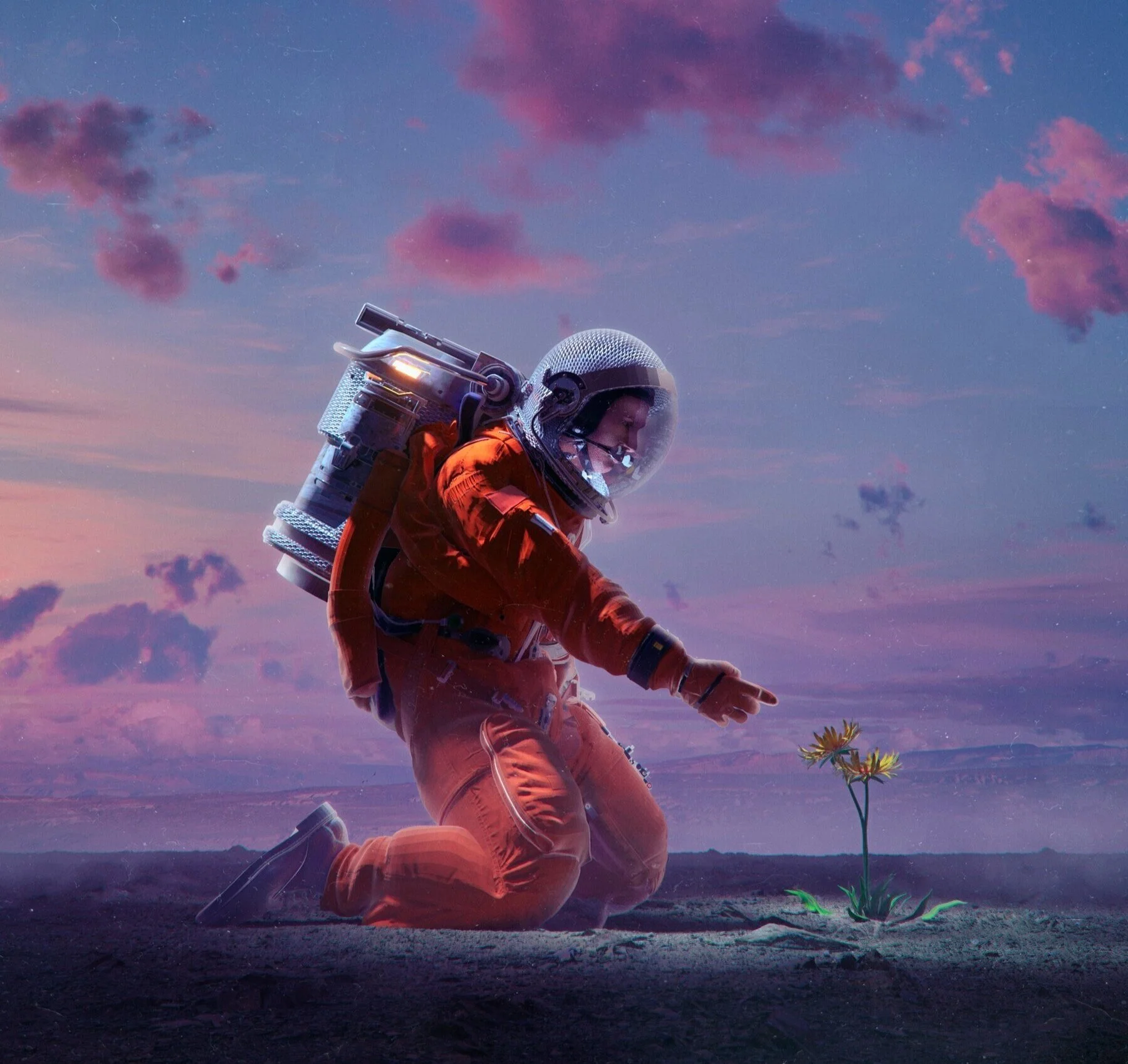
Beeple’s Evolution
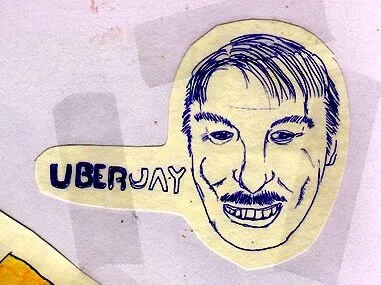
Beeple’s first everyday (01 May 2007)